
Build an approval‑ready credit profile
Understand what’s driving your credit decisions, identify items that may be unfair or inaccurate, and take a structured next step toward stronger approvals and better terms.
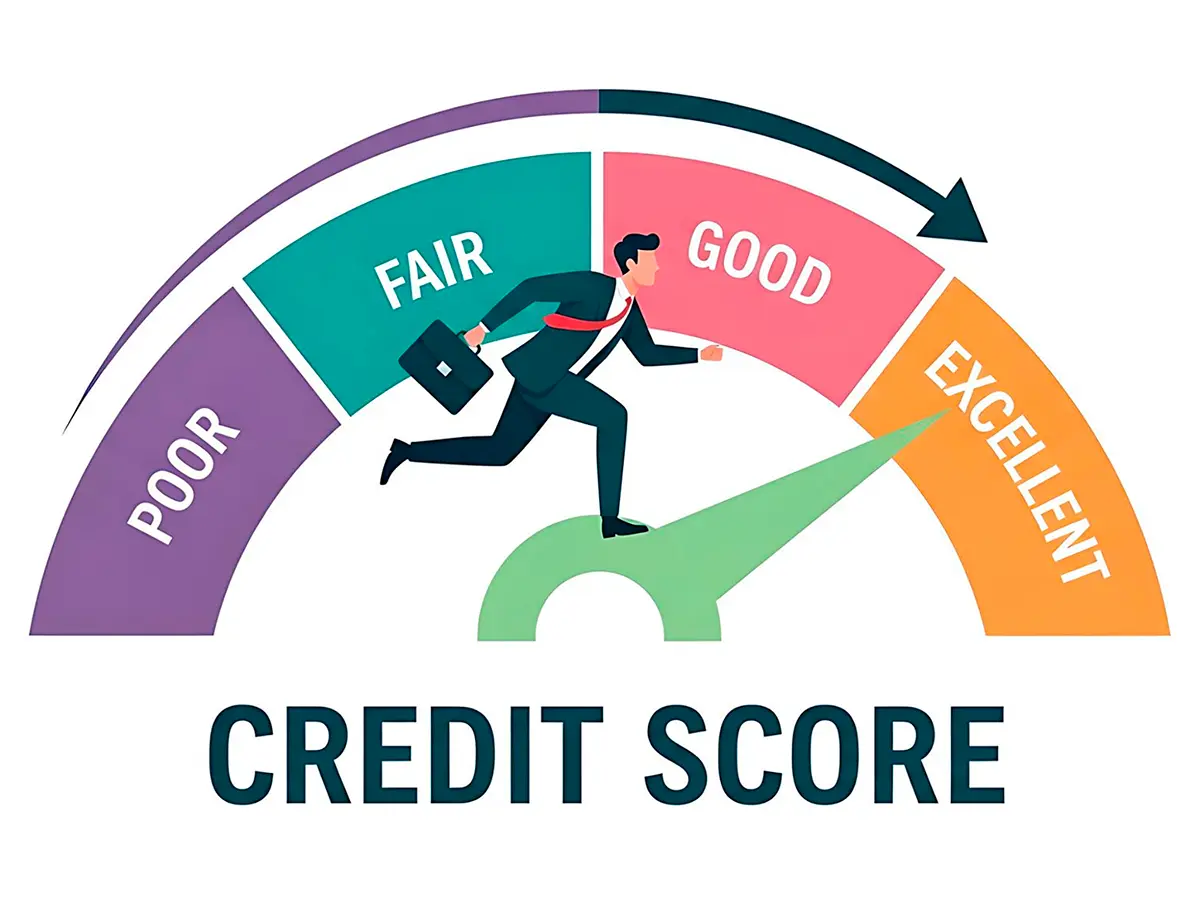
Built around established U.S. credit reporting practices and dispute procedures under the Fair Credit Reporting Act (FCRA). No unrealistic promises—just clarity, documentation, and structured credit improvement.
Unlock more options
Choose the outcome you care about. We’ll outline what improves it—and what to watch for—so you can move forward with confidence.
Your path to stronger credit
A stronger credit profile can mean better approval odds, improved loan terms, and more financial flexibility. Get a clear, no-fluff overview of what credit improvement can help you achieve — then take the next step when you're ready.
Credit decisions in the U.S. are typically influenced by payment history, utilization ratios, account age, recent inquiries, and the accuracy of reporting across major credit bureaus.
Even small inconsistencies can affect lending algorithms. A structured credit improvement approach focuses on verified data, responsible usage patterns, and consistent financial behavior.
*Results vary. This page does not guarantee outcomes.
How it works
A straightforward workflow used by reputable credit‑support programs: review, challenge what’s questionable, and build stronger habits while updates are processed.

Review your starting point
Clarify your goal and look at what’s currently affecting approvals and terms.

Identify what can be challenged
See what information is typically needed, what to expect next, and how the workflow usually looks.

Move forward
Continue to explore available options and take the next step toward better credit outcomes.
credit repair baltimore insights for rebuilding with confidence
I'm not chasing a perfect score; I'm chasing fairness. After a lease in Canton slipped away because a paid collection still showed "unpaid," I started mapping out a smarter approach to credit repair baltimore style. I figured disputes alone would solve it. Not exactly. The real value comes from a mix of clean documentation, patient follow-up, and knowing what to expect - good and bad.
What "repair" really means (and what it doesn't)
Repair means finding inaccuracies, fixing outdated or duplicated accounts, and negotiating updates that reflect reality. It doesn't mean erasing legitimate debts by magic. Still, even accurate negatives can be reframed: corrected balances, updated statuses, or goodwill adjustments after consistent on-time payments. That nuance matters.
A local moment that changed my pace
On a lunch break near Lexington Market, I called a Baltimore-based collector and asked for written validation. The rep wasn't thrilled. I stayed polite, logged the date, and requested details mailed to me. Two weeks later, the item was corrected, and yes - my score moved. Not a miracle. A process.
Practical steps that deliver value
- Pull all three reports and keep a dated copy. You're hunting inconsistencies across bureaus, not just errors in isolation.
- Tag the easy wins: wrong balances, duplicate collections, accounts older than seven years still reporting, or names/addresses you don't recognize.
- Dispute with evidence. Upload statements, payoff letters, or bank confirmations. Short, factual notes beat emotional essays.
- Verify debt age. If it's too old to be sued on or to report, note that. Don't restart clocks by making promises you can't confirm.
- Negotiate precisely. For legitimate collections, aim for accurate updates upon payment. If a pay-for-delete is possible, get it in writing first. Sometimes a goodwill letter works after you've shown steady on-time behavior.
- Build fresh positives. Secured cards from local banks or credit unions, small installment loans you can comfortably repay, and rent reporting programs some Baltimore property managers now offer.
Setting expectations without false hope
It's not fast. Well, sometimes a single deletion pops a score by 40+ points in a week, but most gains feel slower - measured in months. Expect investigations to take up to 30 - 45 days. Keep a calendar, follow up gently, and file again if documentation improves.
Baltimore-specific edges
- Utilities and deposits: Higher scores can reduce or avoid utility deposits with providers. Even a modest bump saves cash upfront.
- Medical bills: Ask for itemized statements from large hospital systems and confirm coding. Charity care or corrections can erase surprises before they hit collections.
- Transportation and insurance: Better credit often trims premiums, freeing budget for transit or parking - small, compounding wins.
Getting help - only if it adds real value
Nonprofit credit counseling can structure budgets and negotiate lower interest, which indirectly improves credit by preventing new late pays. If you consider a credit repair company, expect transparency: no big upfront fees, clear timelines, written agreements, and realistic outcomes. If any promise sounds absolute, step back.
The quiet payoff
Credit scores aren't everything. Okay, they matter a lot when landlords, lenders, and insurers decide how much to trust you. What I learned here is simple: document more than you think you need, talk to humans politely but persistently, and stack small positives. The path isn't glamorous, but in Baltimore, steady beats flashy - and the doors that open feel worth the wait.
The Baltimore City Financial Empowerment Center (FEC) Initiative, offers professional financial education through one-on-one financial counseling and coaching.
ASAP Credit Repair Baltimore - We're here to help you improve your credit score. With our 100% money-back guarantee and over 20 years of experience, ...
700 Score Club Credit Repair Services BBB Rating: A not BBB accredited (202) 277-2062 100 International Dr Fl 23, Baltimore, MD 21202-4737
Frequently asked questions
A clear next step — without the guesswork
See what’s impacting approvals and what may deserve a closer look.
Understand how disputes are structured and what documentation matters.
Improve utilization, consistency, and long-term credit stability.
See what improving your credit could change
Take a structured next step based on your current profile — and decide with clarity.